"The body doesn't whisper. We've just stopped listening. The work is not about learning something new. It's about remembering what you already know."
In a world that encourages us to move faster, achieve more and remain constantly connected, many of us have become experts at looking outward for answers. We check notifications before checking in with ourselves. We rely on data, advice and opinions while overlooking one of the most intelligent sources of information available to us: our own bodies.

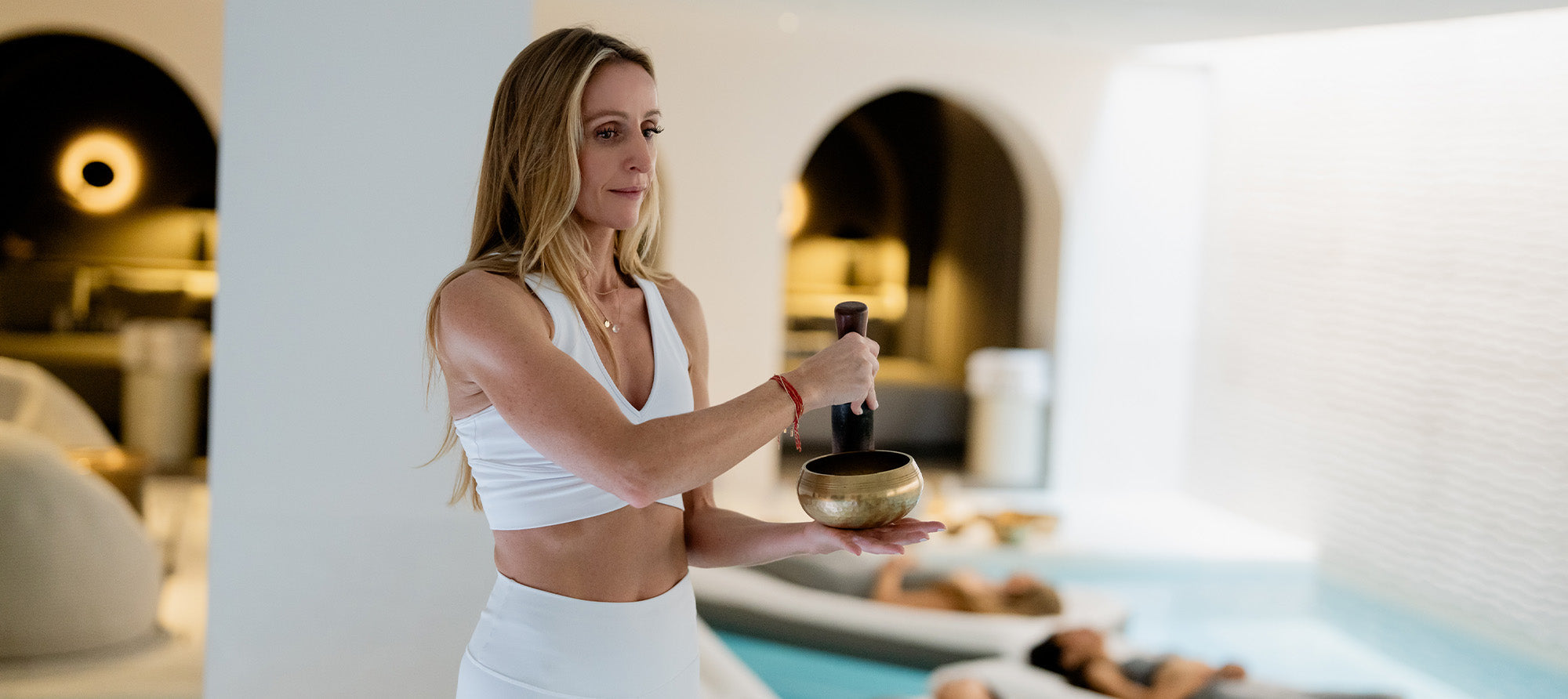
Charlie Christie is a sound and energy healing practitioner, mentor and speaker. Drawing from a lineage of healers and years of experience working with sound, nervous system regulation, mindfulness and emotional wellbeing, Charlie helps people reconnect with themselves through private sessions, retreats and practitioner training programmes. Her work focuses on creating the conditions for greater self-awareness, inner safety and restorative rest in a world that often pulls our attention away from ourselves.
In this guide, Charlie shares her insights on learning to trust the body's wisdom and reconnect with the signals we often overlook. From understanding how modern life disconnects us from ourselves to exploring the role of the nervous system, daily rituals, physical comfort and true rest, the conversation offers practical ways to cultivate greater presence, self-trust and wellbeing through small, intentional shifts in everyday life.
Quick Overview
- Why We've Stopped Listening: How modern life disconnects us from our bodies.
- The Language of the Body: The subtle ways the body communicates with us every day.
- The Power of Slowing Down: How reconnecting with yourself supports emotional wellbeing.
- Understanding the Nervous System: Its role in rest, resilience and recovery.
- Creating Rituals That Signal Safety: Practical ways to feel grounded and present.
For Charlie, healing has always been part of her story. Born into a lineage of healers, she grew up surrounded by conversations about energy, intuition and the unseen dimensions of health. Her grandmother, mother and later teachers from Nepal and around the world helped shape her understanding of wellbeing long before it became her profession.
While living in the Middle East, Charlie discovered Tibetan singing bowls and experienced firsthand the profound impact sound could have on the body and mind. "The bowls helped me heal things in myself that nothing else had reached," she explains. "Physical tension, emotional residue, a kind of noise I hadn't even known was there." That personal experience became the foundation of her work today: not a theoretical interest in healing, but a lived understanding of its transformative power.
Why We've Stopped Listening
According to Charlie, many people struggle to trust themselves not because they lack intuition, but because modern life has trained them to ignore it. "We've been taught to outsource our knowing to someone else or something else," she says. "We check our devices before we check in with ourselves."
Today's world rewards productivity, constant connectivity and external validation. The body's signals, by contrast, are slower, quieter and more subtle. As a result, many of us become disconnected from basic cues that were once instinctive. Hunger, fatigue, stress, overwhelm and even grief can go unnoticed until they become impossible to ignore. The challenge isn't a personal failing; it's often the natural consequence of living in a culture that prioritises doing over being.
For Charlie, rest is not simply the absence of activity but a state of regulation, a feeling that the body can finally put something down. She describes true rest as a physical reset, where tension begins to release, the senses become clearer and the nervous system is given permission to recover. "The quality of your rest is determined largely by how you arrive at it."
The Language of the Body
The body is always communicating, even when we aren't paying attention. Some common signals people frequently dismiss:
- Persistent tension in the jaw, neck or shoulders
- Shallow breathing patterns
- Digestive discomfort or disruption
- Waking during the night at the same time
- A constant low-level feeling of anxiety
- Emotional heaviness that doesn't disappear with sleep
"These are not random symptoms," she explains. "They are the body's language." Rather than viewing these experiences as inconveniences to be pushed through, Charlie encourages people to become curious about them. The body often provides valuable information long before stress manifests in more significant ways.
The Power of Slowing Down

One of the most important practices in developing self-awareness is learning to slow down. "You cannot hear a whisper in a storm," Charlie says. The body's natural communication is often subtle: a shift in breathing, a feeling of discomfort, a sense that something isn't quite right. When life becomes filled with constant stimulation, those signals are easily missed.
Slowing down creates space for awareness. Far from being indulgent, it is a practical skill that supports better decision-making, healthier relationships and a more balanced nervous system. Many people assume reconnecting with themselves requires a major lifestyle change, but the nervous system responds to consistency more than intensity. Small moments of presence, repeated regularly, can create meaningful change over time.
Simple practices might include:
- Taking one conscious breath before reaching for your phone in the morning
- Spending two minutes sitting quietly without distraction
- Checking in with yourself at the end of the day
- Walking without headphones or a destination
- Noticing sensations in the body without immediately reacting to them
Understanding the Nervous System
At the heart of Charlie's work is the understanding that the nervous system influences nearly every aspect of how we feel. "It governs whether we feel safe or threatened, open or closed, connected or isolated." When the nervous system is dysregulated, many people experience chronic stress as their normal state. Rest becomes more difficult, emotional resilience decreases and even simple decisions can feel overwhelming.
Practices such as sound healing work directly with the nervous system by helping the body shift from activation toward regulation. The result is often described as a sense of relief, calm or emotional release, as the body begins receiving signals that it is safe enough to soften.
For many people, silence feels uncomfortable. This discomfort often comes from what silence reveals rather than the silence itself. Busyness can become a form of protection, keeping difficult emotions and deeper truths at a comfortable distance. "Stillness brings us into contact with what we've been moving away from." The answer is not to force long periods of meditation overnight, but to start smaller than silence itself.
Creating Rituals That Signal Safety
One of the simplest ways to support emotional wellbeing is through rituals: not elaborate routines, but small, repeatable actions that signal safety to the nervous system. Examples include:
- Making the same herbal tea each evening
- Changing out of work clothes after finishing the day
- Taking a slow shower before bed
- Spending a few quiet minutes lying down before sleep
- Creating a consistent bedtime routine
These rituals become anchors throughout the day. Over time, the body begins to recognise them as cues for relaxation, restoration and rest. The environment around us also plays a significant role in how safe and supported we feel. "The body reads a room before the mind does," Charlie explains. Natural light, softness, temperature, scent, texture and thoughtful design all contribute to how the nervous system responds to a space.
Physical comfort is often underestimated, yet it directly influences emotional wellbeing. What touches our skin, supports our posture and surrounds us while we rest all become inputs that the nervous system interprets. When a space feels calm, intentional and supportive, particularly the surface we sleep on and the temperature around us, it becomes easier for the body to soften and for true rest to occur. This is why the environments we create for ourselves matter, especially at the beginning and end of each day.

Coming Home to Your Own Wisdom
When asked what she wishes more people understood about listening to themselves, Charlie's answer is simple. "You are the smartest smart device there ever has been and ever will be."
The body is not mysterious or unknowable. It is constantly providing information, guidance and feedback; the challenge is creating the conditions to hear it. Learning to trust yourself isn't about acquiring something new. It's about remembering what has always been there, and perhaps, in a world that constantly asks us to look outward, the most powerful thing we can do is turn inward and listen.


