"Recovery is the key to performance. Sleep is where the body heals, restores, and prepares us to move better every day."
Whether you're waking up with neck stiffness, struggling with headaches, or simply looking to improve the quality of your sleep, your pillow could be playing a bigger role than you realise. Dr. Tamara, holistic chiropractor and co-founder of DISC Group explores the connection between spinal alignment, recovery and choosing the right pillow for your body.

Quick Overview
- Why Recovery Begins with Sleep
- The Connection Between Sleep Posture and Pain
- Why the Right Pillow Matters
- Can your Pillow Fix Neck Pain
- Looking Beyond the Bedroom
- What Healthy Sleep Really Means
For Dr. Tamara, helping people move and feel better has always been the goal. Born and raised in the UAE, she describes herself as someone who has always been fascinated by the human body and its remarkable ability to heal.
That passion eventually led her to chiropractic care, where she discovered an approach to healthcare centred around manual therapy, the nervous system and the body's own regenerative abilities. Today, as a holistic chiropractor and co-founder of DISC Group, she works with patients experiencing pain, movement restrictions and musculoskeletal conditions, while encouraging people to better understand how their bodies function.
Her appreciation for movement also grew through chiropractic school, where running and exercise became a major part of her life. It reinforced something she now teaches every day: the spine is far more than a structure that keeps us upright. It houses the nervous system, connects the brain to the rest of the body, and influences everything from movement to how we experience the world around us.

Why Recovery Begins with Sleep
"We're humans, not machines," Dr. Tamara says. "Recovery is the key to performance."
Sleep is the body's opportunity to repair and restore itself. While we sleep, much of our energy shifts away from the demands of daily life and towards essential functions like muscle repair, tissue regeneration and cellular recovery. It's during these hours that our bodies prepare us for another day of movement.
This is why sleep posture matters just as much as posture during the day. Spending seven to eight hours in one position means your spine needs consistent support throughout the night. Without it, the body can struggle to recover from everything it experiences during waking hours, whether that's exercise, standing for long periods or simply too much time sitting at a desk.
The Connection Between Sleep Posture and Pain
Many people don't realise that the position they sleep in can contribute to the pain they experience the following morning.
Dr. Tamara explains that the neck is especially vulnerable because it's much narrower than the shoulders and closely connected to the upper back. Spending hours with the neck unsupported can place unnecessary pressure on the cervical joints, often leading to stiffness, headaches and neck pain that carries into the day.
She regularly sees patients whose discomfort is linked to poor sleep habits, whether that's stomach sleeping, always sleeping on the same side, or using a mattress and pillow that don't properly support the spine. Lack of quality sleep also plays a role, particularly for people whose nervous systems remain overstimulated late into the evening.
Why the Right Pillow Matters
When it comes to spinal alignment, Dr. Tamara doesn't underestimate the importance of a good pillow.
"A good pillow is everything for me," she says.
The goal isn't simply finding a pillow that feels soft or comfortable when you first lie down. Instead, it's about choosing one that keeps the neck and spine aligned according to your body size and sleeping position.
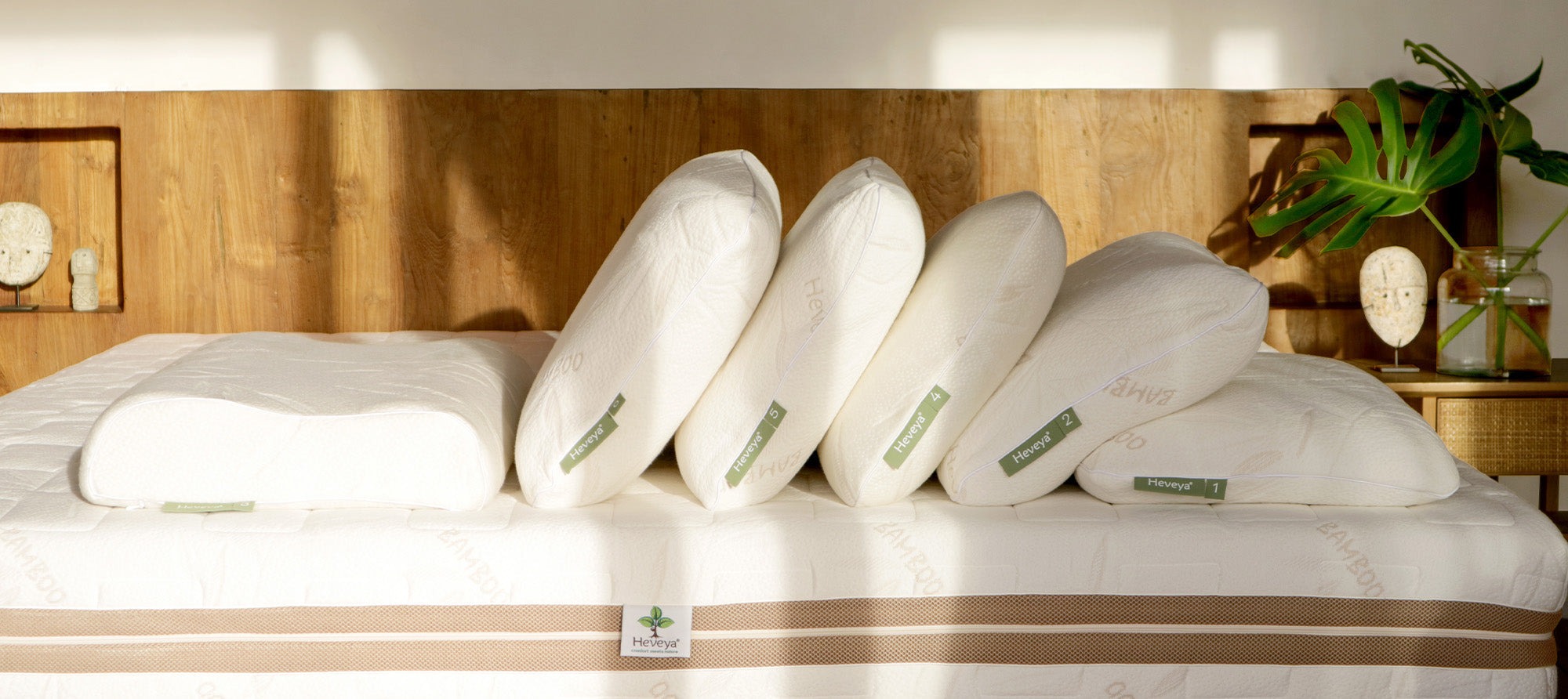
One of the biggest mistakes people make is choosing a pillow without considering their own body. Side sleepers generally need a higher pillow to fill the space between the neck and shoulder, while back sleepers usually benefit from something lower. Body frame matters too, with broader shoulders typically requiring more support than a smaller build.
She also encourages people to think beyond softness alone. The material, shape retention and durability of a pillow all contribute to long-term support. A pillow that loses its structure over time will also lose its ability to properly support the neck.

Can your Pillow Fix Neck Pain
While a supportive pillow plays an important role, Dr. Tamara is quick to point out that it isn't a cure-all.
Lifestyle has a much greater influence on pain than many people realise. Hours spent sitting, looking down at phones, poor desk ergonomics and repetitive strain all place stress on the spine long before bedtime arrives.
A good pillow supports recovery by helping the body rest in a healthier position overnight, but it cannot completely undo poor posture or movement habits accumulated throughout the day.
Looking Beyond the Bedroom
For Dr. Tamara, better sleep begins long before getting into bed.
Maintaining spinal mobility, reducing muscle tension and staying physically active all contribute to waking up feeling better. Before bedtime, she recommends simple habits like foam rolling the upper back, stretching the chest and shoulders and practising breathwork to help calm the nervous system.
Just as importantly, she encourages reducing screen time before bed. Scrolling through phones keeps the brain stimulated when it should be preparing for rest. Creating a calming evening routine with a cool bedroom, comfortable bedding and soft lighting can make a noticeable difference to sleep quality.

What Healthy Sleep Really Means
Healthy sleep isn't simply about spending enough hours in bed.
It's about sleeping consistently, moving naturally through light, deep and REM sleep, waking up without frequent interruptions, and feeling genuinely refreshed the next morning.
When we prioritise recovery, support our spine and create the right sleep environment, we're not simply sleeping better, we're giving our bodies the opportunity to heal, restore and perform at their best every single day.


