Waking up warm, restless, or uncomfortably sticky is a common problem for many people in Dubai. Unlike tropical regions, Dubai faces intense dry heat for most of the year, creating a unique challenge: the drastic contrast between the scorching outdoors and heavily air-conditioned interiors. This temperature fluctuation can confuse your body, and the bedding you sleep on plays the biggest role in maintaining balance. The right materials can help your skin breathe, release heat effectively, and keep you comfortable throughout the night.
In this guide, you will learn what causes sleep too warm at night, which bedding materials truly keep you cool, and how to choose the right sheets, duvet, pillows, and mattress for Dubai’s specific climate.
Quick Overview
In this guide, you’ll learn:
- Why your body overheats at night
- The science behind cooling sleep
- What makes bedding suitable for hot sleepers
- Common mistakes that make overheating worse
- Which fabrics work best in Dubai’s climate
- How to choose cooling sheets, duvets, pillows, and mattresses
- Practical tips for maintaining a comfortably cool sleep environment
Why Do I Sleep So Hot? Understanding the Causes
Many hot sleepers believe that overheating is just part of who they are, but there are clear reasons why it happens.
Your Natural Heat Production
Everybody runs differently. If you have a naturally higher metabolism, your body produces more heat, especially at night. This is one of the most common reasons for night sweats.
Hormonal Fluctuations
Hormonal changes during menopause, pregnancy, or certain phases of the menstrual cycle often cause sudden warmth or night sweats. Many people seek natural bedding solutions to sleep more comfortably during these transitions.
Your Bedroom Environment
A warm room with limited airflow traps heat around your body. In Dubai, while the outdoor heat is dry, bedroom environments are often artificially cooled. If your bedding traps the cold air from the AC but doesn't allow your body heat to escape, you can end up feeling "clammy" or waking up sweating once your body temperature rises under the covers.
Your Bedding Materials
The bedding you sleep on has the strongest influence on how much heat your body retains at night. Synthetic sheets and dense foam mattresses trap warmth and moisture close to your skin, creating a microclimate that makes it difficult for your body to cool down. Natural materials breathe more effectively, allowing heat to dissipate and helping your body stay comfortable as you move through the night.
The Science Behind Sleeping Cool
Your body must drop slightly in temperature to enter deep, restorative sleep. This process, known as thermoregulation, releases heat through your skin.
When bedding is breathable, heat escapes easily. However, when bedding is made from synthetic materials such as polyester or memory foam, heat becomes trapped and creates an uncomfortable microclimate around your body.
This is why the choice of sheets and mattress makes such a significant difference, especially in Dubai's AC-heavy environment.
What Makes Bedding Suitable for a Hot Sleeper
Cooling bedding is designed to help your body release heat instead of trapping it. For Dubai’s climate, this means bedding that is:
- breathable
- moisture‑wicking
- lightweight
- made from natural fibres
Good cooling bedding reduces heat buildup, prevents stickiness, and supports comfortable airflow around your body throughout the night.
Common Mistakes Hot Sleepers Make
Many people unknowingly worsen their night‑time overheating by choosing materials that are not suitable for hot climates. Common mistakes include:
- choosing satin or polyester sheets that only feel cool briefly
- sleeping on a memory foam mattress that traps heat
- using a heavy duvet in a hot desert climate
- selecting mattress protectors that restrict airflow
Understanding these mistakes helps you choose better materials for lasting comfort.
Fabrics Compared: What Works and What Doesn’t
Not all fabrics labelled “cooling” actually help with heat release. Some only feel cool when first touched but trap heat once you settle in.
Here is a detailed comparison of common bedding materials:
| Fabric Type | Cooling Ability | Breathability | Moisture‑Wicking | Notes |
|---|---|---|---|---|
| Organic Bamboo Lyocell | Excellent | High | Excellent | Smooth and cool, ideal for dry heat & AC rooms |
| Natural Linen | High | Very High | High | Durable and highly breathable |
| Cotton (Percale) | Good | Good | Moderate | Light and crisp |
| Satin (Synthetic) | Low after brief use | Low | Poor | Feels cool at first touch but traps heat; usually polyester |
| Polyester / Microfibre | Poor | Low | Poor | Should be avoided by hot sleepers |
| Silk | Moderate | Low | Good | Soft but less breathable |
Many people assume satin sheets are cooling because they feel smooth and cool at first touch. This initial sensation can be misleading. Most satin sheets are made from polyester, a synthetic fibre that traps heat and moisture once you settle into bed. Over time, this heat buildup makes satin unsuitable for hot sleepers, particularly in Dubai’s climate where managing heat retention is essential.
Natural materials such as bamboo lyocell and linen provide the most reliable long‑term cooling performance for hot sleepers. They remain breathable, manage moisture effectively, and continue to feel comfortable even after several hours of sleep.
Choosing the Right Bedding Components
Each part of your bedding contributes differently to temperature control. Choosing well in all areas helps create a naturally cooling sleep environment.
Cooling Sheets
Sheets have the greatest impact on your skin’s comfort. The best choices for Dubai are:
- Organic bamboo lyocell for its smoothness, breathability, and excellent moisture control
- Linen bedding sets are known for their breathability and long‑lasting cool feel
Avoid satin, microfibre, and blended fabrics that trap heat.
Duvets and Comforters
In a warm climate, a lightweight duvet filled with natural fibres is the most comfortable option. Bamboo or organic cotton fillings promote airflow and prevent heat buildup.
Choose a low‑density duvet that feels breathable and easy to layer when needed.
Pillows
Your head releases a significant amount of heat at night. A breathable pillow prevents heat and moisture from building up around your head, face & neck.
Natural latex pillows are an ideal choice because they provide support while allowing air to circulate.
Mattresses: Natural Latex vs Memory Foam
A mattress influences heat retention more than most people realise.
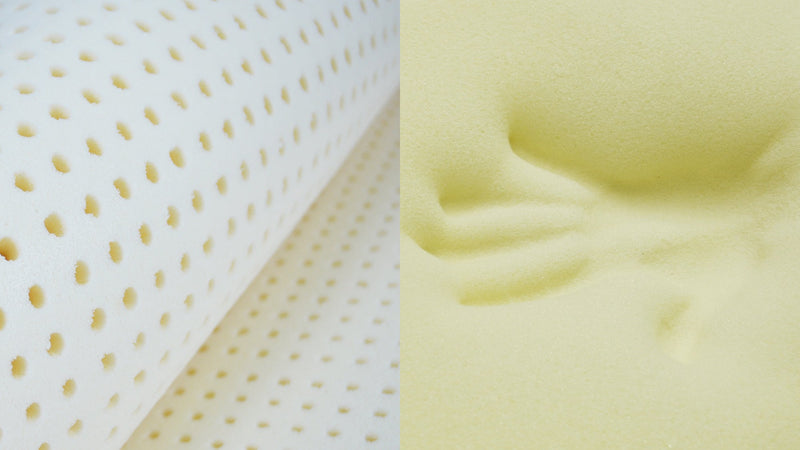
- Natural latex mattresses have an open‑cell structure that promotes airflow and prevents heat from accumulating next to your body.
- Memory foam mattresses contour closely and retain warmth, which can feel uncomfortable in warm climates.
Here is a direct comparison:
| Mattress Type | Breathability | Cooling Performance | Support | Eco‑Friendly |
|---|---|---|---|---|
| Natural Organic Latex | Excellent | High | Responsive support | Yes |
| Memory Foam | Low | Low | Deep sink‑in | No |
| Hybrid (Springs + Synthetic Foams) | Moderate | Moderate | Balanced | Sometimes |
More Tips for a Blissfully Cool Sleep
Upgrading your bedding is the biggest leap forward. But for more ideas on how to sleep cool at night, these simple habits can help:
- Cool Your Room: Aim for a bedroom temperature between 18-20°C.
- Wear the Right Pyjamas: Think loose, lightweight, and natural fabrics like cotton or bamboo.
- Take a Lukewarm Shower: This helps lower your core body temperature before bed.
- Hydrate Smartly: Drink plenty of water during the day, but avoid ice-cold drinks right before bed.
Feeling too warm at night is often linked to the bedding you sleep on rather than your body alone. Natural fibres such as bamboo lyocell and linen provide the most effective cooling because they stay breathable and manage moisture well, while satin and polyester sheets may feel cool initially but trap heat over time. Mattresses also matter, as natural latex tends to sleep cooler than memory foam. When the right sheets, duvet, pillows, and mattress work together, they create a noticeably cooler and more comfortable sleep environment for Dubai's intense climate.